Reference
Short-form ad specs for TikTok, Reels, Shorts and Meta
Current aspect ratios, durations, safe zones, caption practices and file guidance for paid short-form video across TikTok, Instagram Reels, YouTube Shorts and Meta feed placements.
VydioFlow Team · Published May 27, 2026 · Updated August 20, 2026 · 8 min read
Key takeaways
- 9:16 at 1080×1920 is the default master for paid short-form.
- Keep text out of the bottom 20% and top 10% of a vertical frame.
- Burn in captions — most first exposures are muted.
- Compose vertically from the start rather than cropping a 16:9 master.
Getting specs wrong costs you reach before the creative is ever judged. Text lands under a UI overlay, the frame gets letterboxed, or the placement is skipped entirely. This is the short version we keep on hand — verify against each platform's current ad help centre before a large launch, since limits change.
Aspect ratios
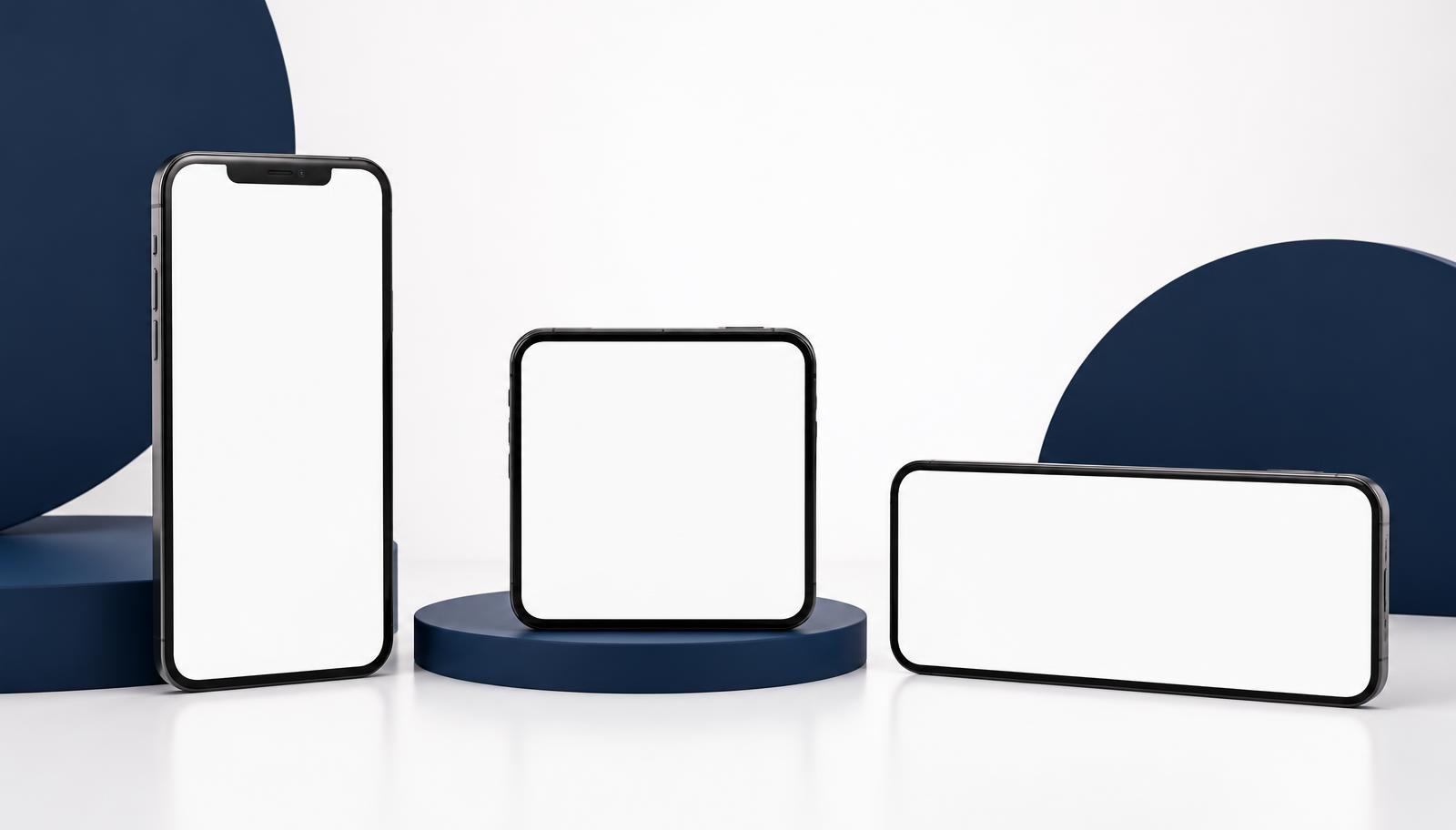
- 9:16 — TikTok, Reels, Shorts, Stories. The default for paid short-form.
- 1:1 — Feed placements where vertical gets cropped.
- 4:5 — Meta feed's tallest supported ratio; more screen than 1:1 without vertical cropping.
- 16:9 — YouTube in-stream and landing page embeds.
Resolution and file guidance
- Master at 1080×1920 for 9:16; 1080×1080 for 1:1; 1080×1350 for 4:5.
- H.264 MP4 with AAC audio is accepted everywhere.
- Target 30fps unless the creative genuinely needs 60.
- Keep files comfortably under platform upload caps; heavy re-compression softens detail.
Duration
For direct response, 15–30 seconds is the working range. Under 10 seconds rarely leaves room for a call to action; over 45 seconds needs genuinely strong storytelling to hold. Build in scenes so you can trim without re-rendering everything.
Platform maximums are far longer than what performs. Treat the maximum as a boundary, not a target.
Safe zones and captions
- Keep text out of the bottom 20% and top 10% of a 9:16 frame — UI overlays sit there.
- Burn in captions. Most viewers watch muted on first exposure.
- Keep on-screen text under seven words per card.
- Put the brand or product in frame within the first three seconds.
- Check the right edge of vertical frames too; action buttons stack there on TikTok.
Placement notes
- TikTok — native, unpolished framing outperforms studio-perfect composition.
- Instagram Reels — audio matters more; a strong first line carries the ad.
- YouTube Shorts — viewers tolerate slightly longer setups; the loop rewards clean endings.
- Meta feed — 4:5 or 1:1 with captions; assume muted autoplay in a scrolling feed.
Exporting once, publishing everywhere
Render the master concept, then export each ratio rather than reshooting the idea per platform. Recomposition is a formatting job, not a creative one — but compose the 9:16 master first, because upscaling a horizontal crop into vertical always looks like a crop.
Frequently asked questions
What aspect ratio should I use for TikTok and Reels ads?
9:16 at 1080×1920. It is the native full-screen ratio for TikTok, Instagram Reels, YouTube Shorts and Stories, and it is the ratio you should compose first rather than crop into.
How long should a short-form video ad be?
15 to 30 seconds for direct response. Shorter than 10 seconds rarely leaves room for a call to action; longer than 45 seconds requires strong storytelling to hold attention.
Where are the safe zones in a vertical video ad?
Keep essential text and product visuals out of the bottom 20% and top 10% of the frame, and away from the right edge where action buttons stack, since platform UI overlays those areas.
Do I need captions on video ads?
Yes. Most first exposures happen with sound off, so burn in captions, keep on-screen text under about seven words per card, and make sure the core promise reads without audio.